

What Do You Want Your Money to Say About Your Life?
October 1, 2026
October has a way of inviting us to pause and look at what’s around us.
The leaves change. The air gets a little cooler. Something about the season reminds us that time is passing, that life is beautiful, and that the moments we tend to remember most aren’t necessarily the ones we planned.
When was the last time you experienced that feeling of awe? Maybe it was watching your grandchildren discover something for the first time, standing at the edge of a mountain you had always dreamed of visiting, or simply sitting around the dinner table, listening to the people you love, laugh together.
We spend so much of our working lives thinking about how to accumulate money. We save diligently, invest thoughtfully, and do our best to prepare for whatever comes next. All important things!
But as retirement approaches, I believe there’s a crucial question worth asking:
What do you want your money to say about the life you’ve lived?
Looking Back Through the Mirror
Imagine yourself 20 years from now, looking back on this season of your life.
What do you hope you’ll remember?
Will it be the balance in your retirement account? The amount you managed to save by postponing another vacation?
I’m willing to bet the moments that stand out will have less to do with dollars and cents and more to do with the people you loved, the experiences you shared, and the difference you made in someone else’s life.
This is something I’ve been exploring in my book, Money Is a Mirror.
Our relationship with money reflects so much more than our financial circumstances. It reveals what we believe about ourselves, what we value, what we’re afraid of, and sometimes the expectations we’ve carried for decades.
I invite you to think about the lessons you learned growing up. Maybe your parents taught you some version of “waste not, want not,” as I reference in the book. That conservation of resources becomes deeply embedded and can make spending any amount of money a real challenge. Or, perhaps the adults modeled “Make hay while the sun shines,” always repeating the refrain that they’d enjoy their money once the work was done.
Those lessons helped shape the financial decisions you’ve made. Some have served you beautifully. Others might deserve another look.
The wonderful thing about a mirror is that it gives us an opportunity to notice something we couldn’t see before.
And once we notice it, we have a choice about what happens next.
Your Financial Legacy Is Already Taking Shape
Deciding what happens next seamlessly ties into legacy. When people hear the words financial legacy, they often think about what happens to their money after they’re gone.
Yes, inheritance planning is an important part of that conversation. We want to know that our loved ones will be provided for and that the resources we’ve worked hard to build will be handled according to our wishes.
But I want to expand that definition a little. Your legacy isn’t just what you leave behind. It’s also what you make possible while you’re here.
- The family that gathers every summer at the same lake house.
- The grandparents who take each grandchild on a special trip.
- The woman who, without drawing attention to herself, supports a local organization because she believes deeply in its mission.
Each of these decisions tells a story of legacy, without requiring an extraordinary amount of wealth.
Your financial legacy might include helping your child purchase their first home, creating meaningful experiences with your family, supporting a cause that’s close to your heart, or simply having the freedom to spend more time with the people who matter most. It might even mean giving yourself permission to enjoy something you’ve spent years working toward. For women who have spent much of their lives caring for others, that last one can be surprisingly difficult.
But I want to stop to remind you that enjoying the resources you’ve worked hard to build doesn’t diminish your generosity. It can be an expression of the very same values.
Building a Financial Plan That Reflects Your Values
So how do you chart a path forward so that the money you have and the ways you use it reflect your values?
At Pleasant Wealth, we believe the plan for your money is supported by three strong pillars: Soul, Structure, and Stewardship. We call that approach the 3S model.
These three areas aren’t distinct and separate. They are the roots of one tree reaching deep into the soil. Without just one of these roots, your money tree will struggle to grow and reach its full potential
Let’s examine each to better understand how they work in concert.
Soul: Giving Your Money a Purpose
Saving for retirement requires discipline. But as you near retirement, the focus needs to shift from accumulating money to understanding what it can make possible. Without a soul, your money may as well be locked in a vault.
To understand this aspect of your money, we ask questions of ourselves like:
- Who am I becoming as I enter retirement?
- What gives me purpose and brings me joy?
- How do I balance security and enjoyment?
This root must be established first. Without it, the tree may grow, but it won’t flourish. It’s like the dying tree that can only muster small shoots at the base.
Strategy: Knowing When Enough Is Enough
Once we understand the soul of your money and know what we need it to do, we can develop the strategy. While the soul is the destination, strategy is the vehicle that will take you on the journey.
Yes, investment performance matters. But it’s not the ultimate measure of a successful retirement. Your investment portfolio should support the life you’re trying to build.
That might mean creating reliable retirement income, preserving assets for future generations, or maintaining enough flexibility to pursue opportunities as they arise.
Rather than focusing exclusively on returns, we help you consider how your investments fit into your broader financial picture and the goals that make your life meaningful.
Stewardship: Protecting What Makes Life Meaningful
We can’t forecast every storm that may threaten our tree. That’s where stewardship enters the picture.
Health challenges, market downturns, and unexpected family needs can change even the most carefully considered plans.
But preparing for uncertainty doesn’t have to mean living in fear of it.
Thoughtful risk management helps you understand what could affect your financial security and what you can do to prepare.
The goal is to protect your ability to live according to your values, even when life doesn’t unfold exactly as expected.
What Do You Want to See in the Mirror?
As I write in Money Is a Mirror, thoughtful planning “helps clients identify their life vision (what brings them JOY) and generates the financial structure to make that vision a reality.”
That’s the intersection of financial strategy and intentional living.
Before you begin thinking about your next investment decision or reviewing your retirement accounts, I’d encourage you to spend a little time reflecting on three questions:
- What experiences, relationships, and causes bring the greatest sense of meaning to my life?
- If I looked back on my financial decisions 20 years from now, what would I be most grateful I made possible?
- What am I waiting to do that my financial circumstances might already allow?
You don’t have to have all the answers today. But giving yourself space to consider these questions can change the way you approach your money.
A meaningful financial legacy isn’t measured solely by the assets you accumulate or the inheritance you leave behind. It’s reflected in the lives you touch, the opportunities you create, and the experiences you give yourself permission to enjoy.
And there’s something pretty extraordinary about recognizing that you still have the opportunity to shape that story.
Let’s Talk About the Life You Want to Live
At Pleasant Wealth, we believe retirement planning should begin with a conversation about what matters most to you.
Your financial decisions should support your relationships, reflect your values, and give you confidence about the future you’re building.
If you’re ready to look beyond the numbers and create a financial plan that reflects the life you want to live, I’d love to have that conversation. You can reach out to me or schedule some time to sit down together.
About the Author
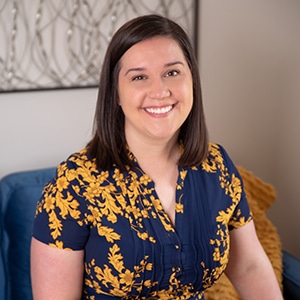
Liz Hand, CFP®, ACC, is a financial advisor and certified coach who focuses on serving women approaching or already in retirement. She shares complex financial ideas in practical terms and is passionate about helping women build confidence alongside their wealth.